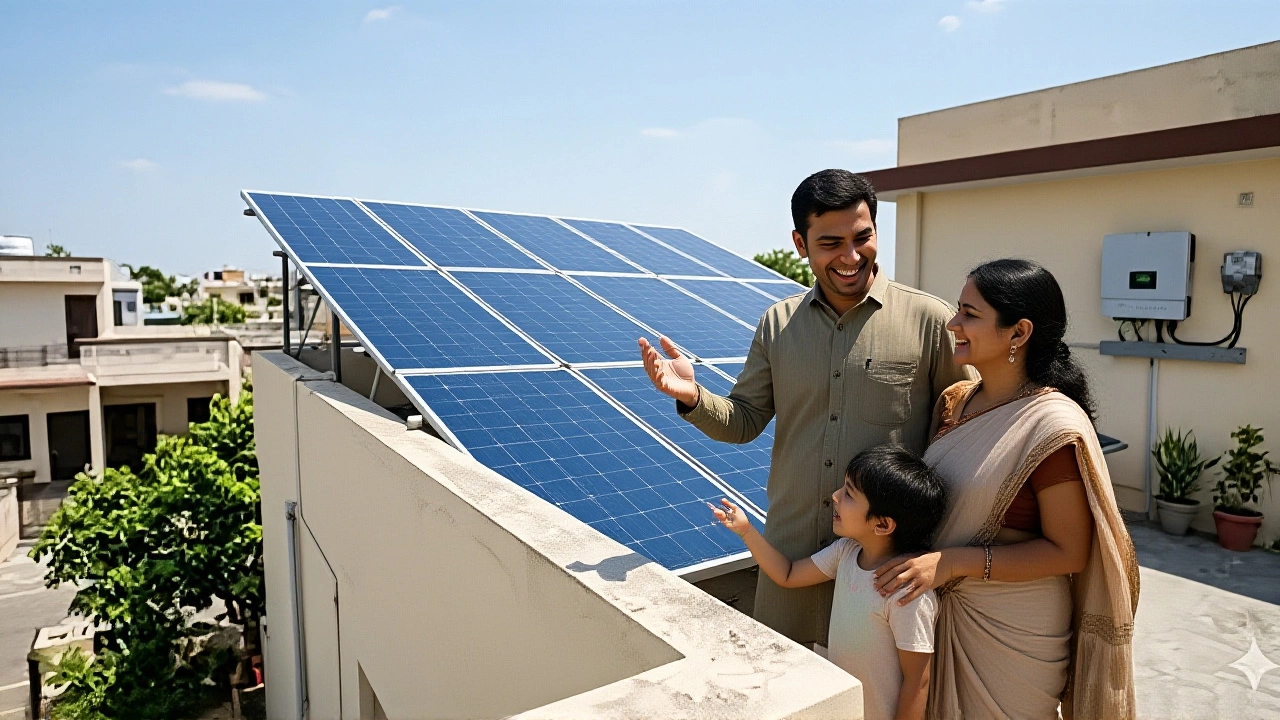
When Narendra Modi, Prime Minister of India, launched the PM Surya Ghar: Muft Bijli Yojana in early 2024, he didn't just announce another policy. He handed millions of households a potential lifeline against soaring electricity costs. The scheme aims to install solar panels on 1 crore (10 million) rooftops across India, offering up to 300 units of free electricity per month for eligible families.
Here’s the thing: energy bills are eating into household budgets everywhere, but this initiative flips the script. Instead of just paying more, homeowners can generate their own power. The government is backing this with a massive financial push, aiming to invest over ₹75,000 crore ($900 million approx.) to make solar accessible to the average Indian family.
The Numbers Behind the Sun
The scale of this project is staggering. According to the Press Information Bureau (PIB), the goal isn’t just environmental; it’s economic. The government projects that this single initiative could save consumers over ₹75,000 crore annually. That’s money staying in people’s pockets rather than going to utility companies.
But wait, there’s more to the math. Experts estimate the scheme will add approximately 30 gigawatts of new solar capacity to the national grid. Over a 25-year lifespan, this is expected to reduce carbon dioxide emissions by 720 million tons. It’s a dual win: cheaper bills for you, cleaner air for everyone.
The timeline is aggressive. The Ministry of New and Renewable Energy (MNRE) has set phased targets:
- March 2025: Cross 10 lakh (1 million) installations.
- October 2025: Reach 20 lakh (2 million) homes.
- March 2026: Hit 40 lakh (4 million) systems.
- March 2027: Achieve the final target of 1 crore (10 million) rooftops.
Interestingly, some reports suggest momentum is already building fast, with over 30 lakh (3 million) systems reportedly installed or approved since the launch in February 2024. Whether these figures reflect completed installations or approvals remains slightly unclear, but the velocity is undeniable.
How Much Does the Government Pay?
This is where most people get confused. The subsidy structure is tiered based on system size, not just a flat rate. Here’s how it breaks down according to MNRE guidelines:
- 1 kW System: You get ₹30,000 off. This generates about 120 units/month.
- 2 kW System: The subsidy jumps to ₹60,000. Expect around 240 units/month.
- 3 kW or More: The cap is ₹78,000. This covers systems generating 360+ units/month.
So, if your monthly bill hovers around 150 units, a 1 kW system might be sweet spot. But if you’re running ACs and heavy appliances, pushing past 300 units? You’ll want that 3 kW setup. The remaining cost after subsidy is still significant—roughly ₹80,000 to ₹1 lakh for larger systems—but banks like Indian Bank have stepped in with specific loan products to bridge the gap.
Who Can Apply and How?
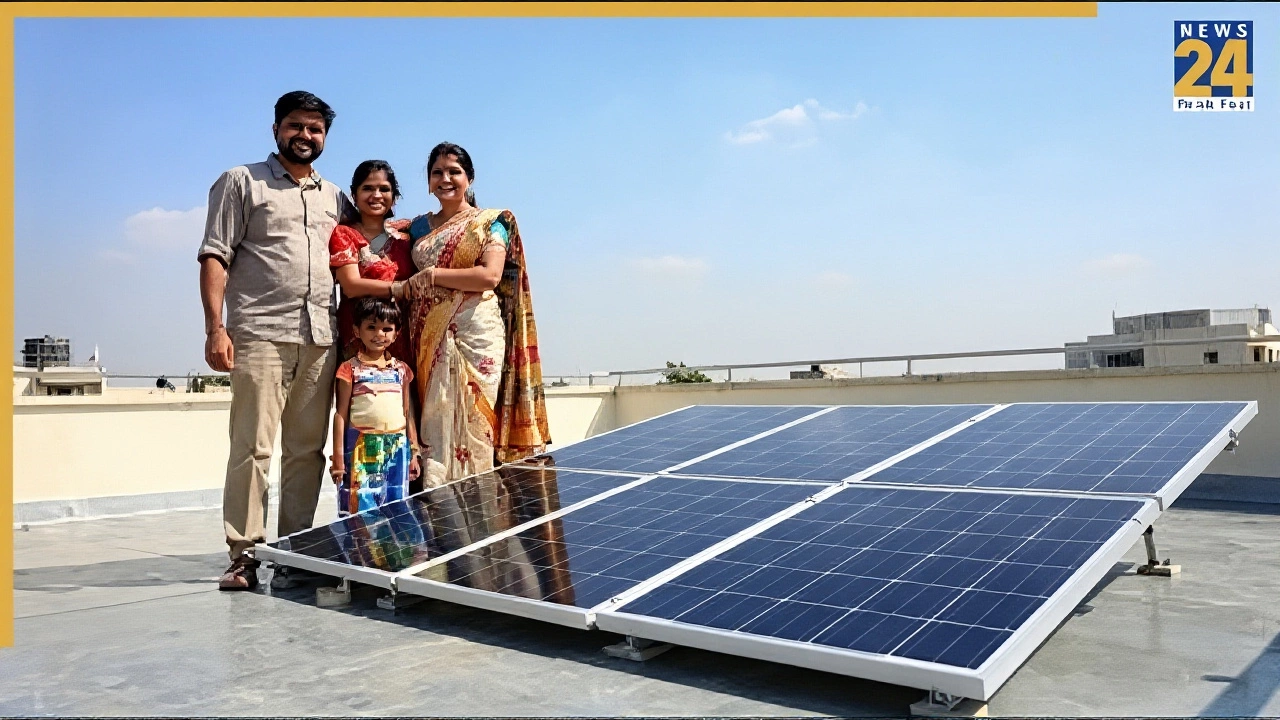
The process is entirely digital, which is a huge shift from previous bureaucratic hurdles. Any Indian citizen with a residential roof suitable for solar panels can apply. You don’t need to belong to a specific caste or income group, though you do need an Aadhaar-linked bank account.
Turns out, the application flow is straightforward:
- Visit the official portal at pmsuryaghar.gov.in.
- Select your state, district, and DISCOM (electricity provider).
- Enter your consumer number and upload basic documents (ID proof, recent bill).
- Choose an empaneled vendor for installation.
- Once installed and verified, the subsidy hits your bank account directly via Direct Benefit Transfer (DBT).
The twist is that while the registration is easy, finding reliable local vendors can sometimes be a bottleneck in smaller towns. The government is working to expand the network of certified installers, but quality control remains a concern for early adopters.
Why This Matters Beyond Your Wallet
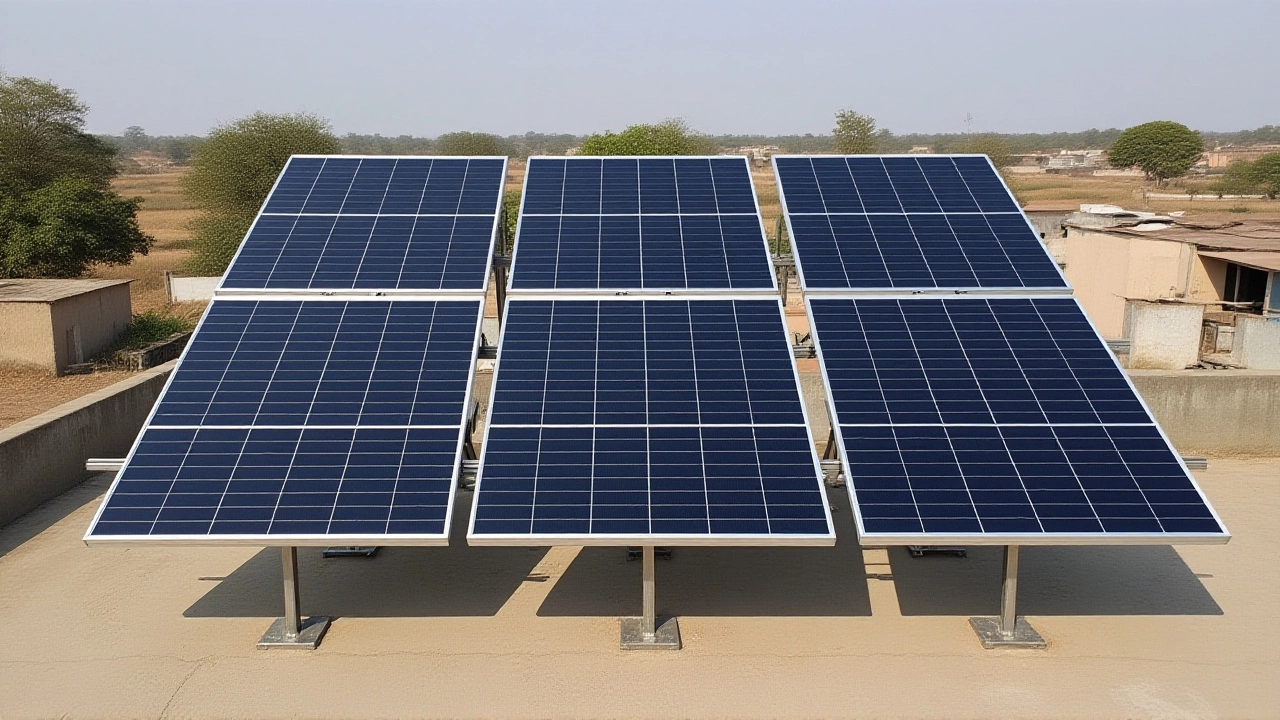
Let’s look at the bigger picture. India faces peak load issues during summer months. When every home turns on its AC, the grid strains. By decentralizing power generation through rooftop solar, we’re effectively creating millions of micro-power plants. This reduces transmission losses and stabilizes the grid.
Moreover, this scheme positions India as a global leader in residential renewable adoption. No other country has attempted a centrally sponsored program of this magnitude for individual households. It’s a bold bet on citizen-led energy independence.
However, challenges remain. Roof space availability in dense urban areas like Mumbai or Delhi is limited. Maintenance costs after the warranty period are also a question mark for many middle-class families. The government hasn’t fully addressed long-term service contracts yet, leaving homeowners to navigate that landscape independently.
Frequently Asked Questions
Is the PM Surya Ghar subsidy available for apartment complexes?
Currently, the scheme primarily targets individual residential houses with independent roofs. For apartments, the rules are less clear and often depend on whether the society agrees to install shared rooftop systems. Some states are piloting models for multi-dwelling units, but widespread eligibility for flats is not yet standardized nationwide.
What happens if my solar panels break after 5 years?
Most empaneled vendors provide warranties ranging from 5 to 25 years depending on the component (panels vs. inverters). However, once the warranty expires, maintenance costs fall on the homeowner. It’s crucial to check the vendor’s after-sales service record before signing up, as repair networks vary significantly by region.
Can I sell excess electricity back to the grid?
Yes, under net metering policies, you can export surplus power to the grid and receive credits on your bill. These credits usually roll over month-to-month. If you generate more than you consume annually, some DISCOMs may offer cash refunds, but rates vary by state regulations.
Do I need a high credit score for the solar loan?
Banks like Indian Bank require a minimum CIBIL score of 680 for their specific PM Surya Ghar loan product. However, 'New to Credit' customers may also be eligible under certain conditions. Interest rates are typically competitive, often lower than personal loans, making financing accessible for many middle-income families.